GRAMMAR
class pdf
solutions pdf
Modal Verbs
Advice
Ability
8. nos podria haber dado su libro
Should -------------------------------------------------------deberías
ex: You should study harder---------------deberias estudiar más
Should you study...?
You shouldn't study
Should you study...?
You shouldn't study
Ought to ---------------------------------------deberías
ex: You ought to study harder
(no negative or interrogative form)
Ability
Can --------------------------------------------------------------puedo
ex: I can write with my left hand
I can't write...
Can I write...?
I can't write...
Can I write...?
Could ----------------------------------------------------------- podía
ex: When I was young I could run very fast
I couldn't run
Could you run...?
I couldn't run
Could you run...?
Be able to -----------------------------------------------ser capaz de
ex: In the future I will be able to speak English correctly
I will not be able to speak
Will you be able to speak?
I will not be able to speak
Will you be able to speak?
Permision
Can ------------------------------------------------------------puedo
ex: Can I open the window?
Could----------------------------------------------------------Podría
ex: Could I open the window?
I couldn't open the window
Could you open the window?
I couldn't open the window
Could you open the window?
Be allowed to-------------------------------------------- permitirse
ex: It is not allowed to smoke in public places
It is allowed to smoke
Is it allowed to smoke?
It is allowed to smoke
Is it allowed to smoke?
Possibility and cartainity
Could --------------------------------------------Podria, puede que
ex. John could be at the doctor
John couldn't be at the doctor
Could John be at the doctor?
John couldn't be at the doctor
Could John be at the doctor?
Might---------------------------------------------------- debe/quizás
ex. John might be at the doctor
John might not be...
Might John be at the doctor?
John might not be...
Might John be at the doctor?
May ------------------------------------------------------------ quizás
ex. John may be at the doctor
John may not be at the doctor
May John be at the doctor?
John may not be at the doctor
May John be at the doctor?
Must------------------------------------------------------- seguro que
ex: John must be at the doctor
John musn't be at the doctor
Must Jhon be at the doctor?
John musn't be at the doctor
Must Jhon be at the doctor?
Can't------------------------------------------------ no puede ser que
ex: John can't be at the doctor
(NOT couldn't, mustn't)
Prohibition
Mustn't -------------------------------------------------------no debes
ex: You mustn't eat junk food
(NOT must)
Obligation
Have to ------------------------------------------------------tienes que
ex: I have to buy milk
Do you have to buy milk?
Do you have to buy milk?
Don't have to -----------------------no tines que (no es necesario que)
ex: You don't have to come if you don't want to
Need to ------------------------------------------------------- tienes que
ex: I need to buy milk
Needn't--------- no tienes que
ex: You needn't come if you don't want to
must------------ debes.
ex: You must come to class.
(NOT mustn't)
EXERCISE: translate and then transform the sentences into interrogatives and negatives.
1. Debería haber estudiado mas para el examen.
2. No es necesario tomar notas en clase.
3. Quizás llegue a tiempo para la conferencia.
4. Cuando era pequeña podía saltar muy alto.
5. Cuando acabe la carrera podré ganar mucho dinero.
6. Debo haber puesto las llaves en la nevera
7. Me podría haber invitado a su fiesta
EXERCISE: translate and then transform the sentences into interrogatives and negatives.
1. Debería haber estudiado mas para el examen.
2. No es necesario tomar notas en clase.
3. Quizás llegue a tiempo para la conferencia.
4. Cuando era pequeña podía saltar muy alto.
5. Cuando acabe la carrera podré ganar mucho dinero.
6. Debo haber puesto las llaves en la nevera
7. Me podría haber invitado a su fiesta
9. Debe haber vuelto de París
10. Debería haber estudiado
11. No debería haber comido chocolate
Basic Structure Modal Verbs
Sentences to translate
VOCABULARY
CRIME AND JUTICE
arrest---arrestar
break the law---saltar-se la ley
commit a crime---cometre un crim
do communitary service---fer treballs per la comunitat
get away with ---esquivar el càstig
get carried away---deixar-se portar
give (sb) a sentence---sentenciar (algú)
go to court---anar a judici
go to prison---anar a la presó
pay a fine---pagar una multa
punish---castigar
spend time in prison---passar temps a la presó
treat (sb) fairly---trancar (algú) justament
NOUNS
burglary---robatori a una casa
arson---incendi provocat
vandalism---vandalisme
criminal---criminal
judge---judge
offender---infractor/criminal
victim---víctima
witness---testimoni
TEXT
sell-by date---data de caducitat
loss---perdua
income---ingressos
damages---danys, danys i perjudicis
realize---adonar-se
injuring---danyant
sympathetic---comprensiu
to sue (sbd)--- demandar algú
do a good deed---fer una bona acció
IDIOMS
be above board---ser legitim, legal, net.
catch somene red handed---atrapar infraganti
face the music---afrontar les conseqüències
get to the bottom of sth---anar al fons de la qüestió
keep your nose clean---allunyar-se dels problemes (mantenir les mans netes)
step out of line---pasarse de la ralla
PHRASAL VERBS
bring in (sth)---iniciar, portar
cover up---tapar, cobrir
find out --- averiguar
let on (about sth)---delatar
own up to ---admetre, confessar
set (sb) up---incriminar,
stamp out---acabar amb, erradicar
stand up to (sb)--afrontar, confrontar
NOUN SUFFIXES
assist---assistance
interfere---interference
disturb---disturbance
offend---offence
contaminate---contamination
examine---examination
discover---discovery
enquire---enquiry
establish---establishment
imprison---imprisonment
remove---removal
ADVISE
Activity: REPRIMAND, GIVE ADVISE AND GUESS YOUR "GOOD DEEDS"
DO NOT USE WORDS FROM THE SENTENCE
You should have....
You shouldn't have
You could have...
You needn't have...
If you had... he/she might have...
I am addicted to the bingo
I got stung by a bee
I got stung by a bee
My boyfriend/girlfriend left me because I was too gelous.
I failed in English
I have a hangover because I went to a party yesterday.
POSSIBILITY AND CERTAININTY
Activity: What must have happenend?

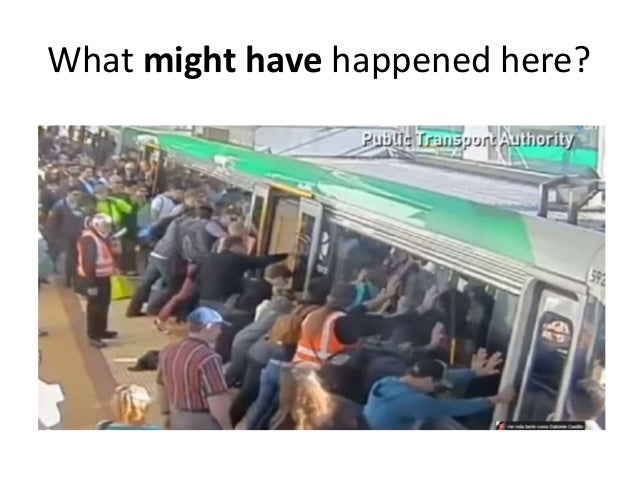


Activity: What must have happenend?
Activity: jump to conclusions
Tell the students you are going to describe a situation that is open to interpretation (see box for examples). When you finish, ask them to work in pairs and make as many sentences as possible as to what may have happened. For this they should use modal verb + have + past participle, e.g.
When I arrived at school today, there were papers all over the floor in the hall and the director’s office.
Possible conclusions:
Possible situations:
Crime scene investigation
https://docs.google.com/presentation/d/1YECFmvUWVgXzZwfCvAIkiWj71Dbr6KLYXdLlv3gbE1I/edit#slide=id.g121c9df7be_0_88
Worksheet: https://drive.google.com/drive/u/0/folders/0B30WrHeePNVVa2FMRE1RWko4bmM

No hay comentarios:
Publicar un comentario